1. Radical Hospitality: "Mi Casa es Su Casa" Taken to Heart
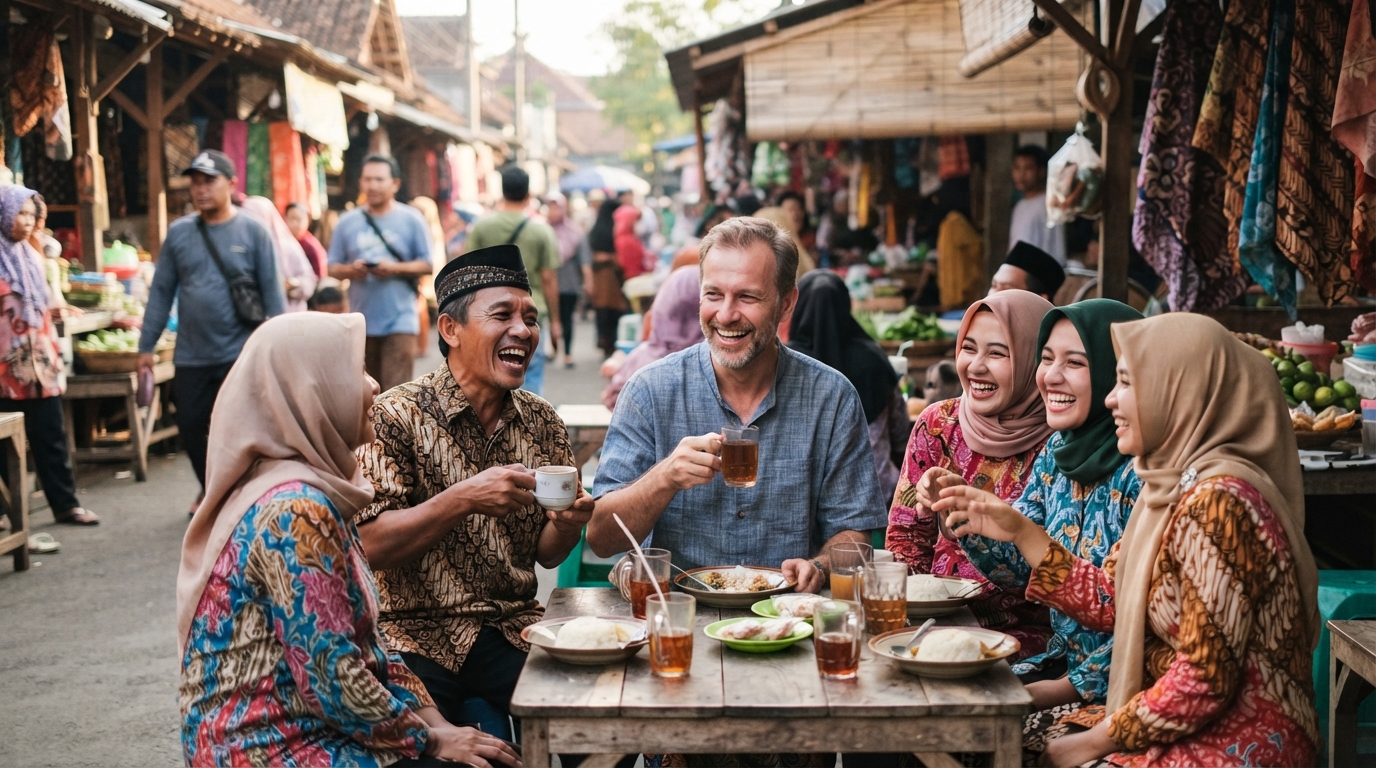
In many parts of the developed world, welcoming a stranger involves a polite smile and directions to the nearest hotel. In Indonesia, it often involves an invitation to sit down, share a meal, or even sleep in a spare room.
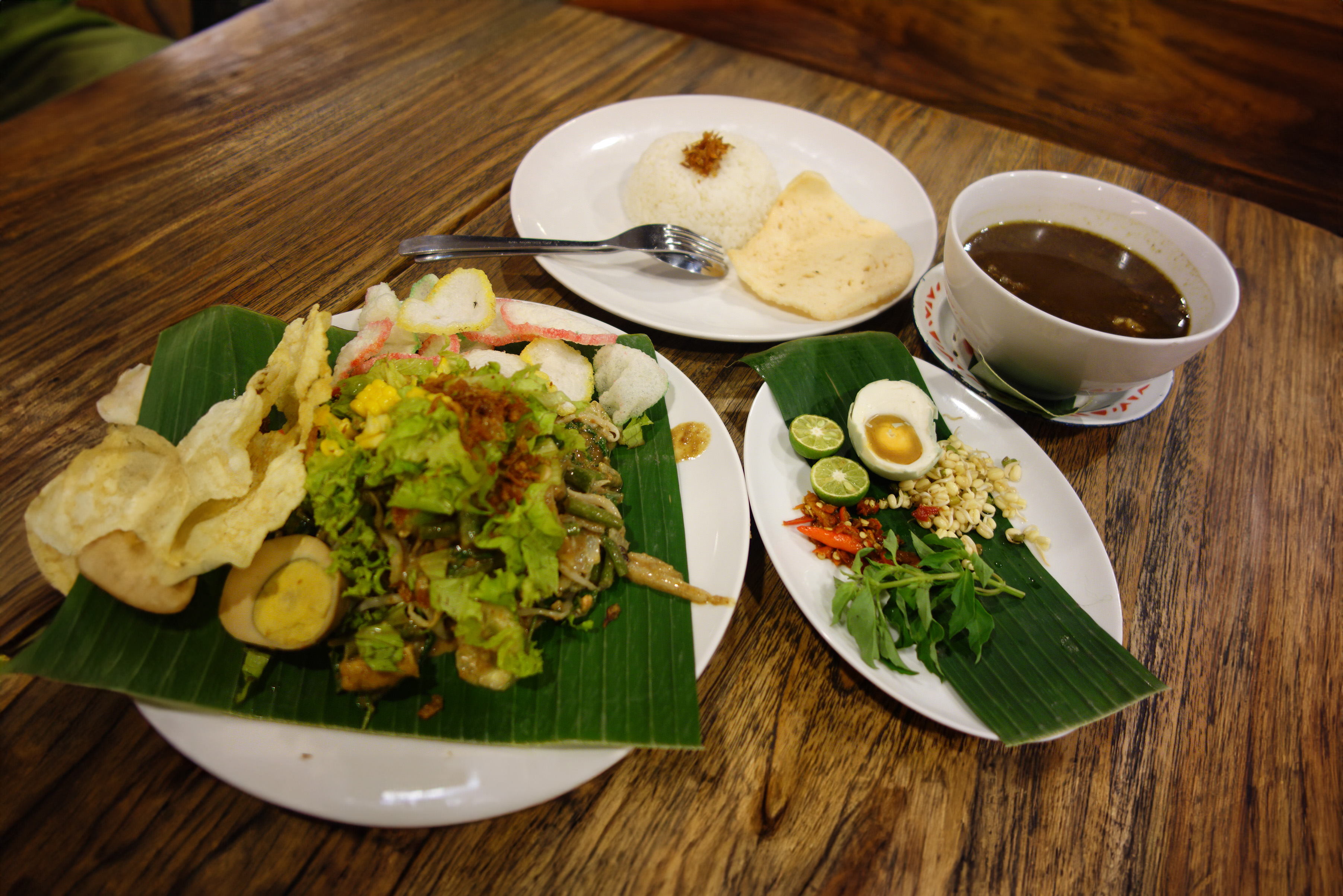
This deep-rooted culture of hosting stems from communal values deeply embedded in local traditions. To an Indonesian host, a visitor is a guest sent by destiny (*tamu adalah raja*, or "the guest is king"). It is entirely common for travelers exploring rural areas to be flagged down by locals simply wanting to offer a cup of sweet black tea (*teh manis*) or fresh fruit. Refusing can sometimes hurt feelings, as sharing food and shelter is the ultimate expression of respect and friendship.
2. The Resilient, Infectious Smile
Indonesia consistently ranks among the most positive and smiling nations in global social surveys, and a single day on the ground makes it obvious why.
Indonesian culture places a high value on harmony (*rukun*) and maintaining a pleasant, cheerful disposition, even in the face of daily hardships. A passing glance on a crowded street is almost always met with an immediate, radiant smile and a friendly nod. This optimism isn't superficial; it is an outward reflection of a community-focused mindset that values collective joy over individual stress.
3. Gotong Royong: The Power of Communal Cooperation
If you want to understand why Indonesian communities function with such seamless harmony, look for the term gotong royong—a core cultural concept translating to "mutual assistance" or communal cooperation.
Historically rooted in agrarian village life (especially in rice-farming communities across Java and Bali), gotong royong means that no heavy burden is carried alone. Whether it is building a neighbor's house, preparing food for a massive village wedding, or clearing a blocked road after a storm, neighbors show up for one another without hesitation. Travelers often experience this firsthand: if your scooter breaks down on a remote country road, you won't wait long before half a dozen local residents materialize out of nowhere to help you push, fix, or tow it to safety.
4. Patience, Grace, and "Jam Indonesia"
Life in the tropics moves to its own rhythm, governed by a concept often affectionately referred to as Jam Indonesia (Indonesian Time).
While this relaxed approach to punctuality can occasionally test the patience of hurried Western travelers, it teaches a deeper lesson in grace and living in the present moment. Flexibility is a virtue here. If a bus is delayed or a meeting starts twenty minutes late, it is met not with frustration, but with a shrug, a smile, and an invitation to chat while you wait. Rushing is seen as a disruption to peace; slowing down allows you to actually experience the world around you.
When a Trip Turns Into an Extended Stay
Because of this profound, openhearted culture, it is remarkably common for travelers to Indonesia to experience a phenomenon affectionately known as "getting stuck"—in the best way possible.
What starts as a two-night booking in a homestay often turns into a week because your host family insists on teaching you how to grind spices for rendang, invites you to a local wedding ceremony, or introduces you to neighborhood friends. Before you know it, you aren't just visiting a destination; you are part of a localized community network, sharing laughs on a porch as the tropical sun sets.
Ultimately, Indonesia's greatest landmark isn't a temple, a mountain, or a beach—it is the people. Their kindness leaves an imprint that lingers long after your passport stamps have faded, proving that home truly is wherever you find warmth.